clumping of blood cells from an immune response
Others remain in the Bone marrow develop into B-cells. Clumped red cells and those that are not clumped but are in the vicinity spread poorly on peripheral smears and may resemble spherocytes.

Blood Typing Anatomy And Physiology Ii
The clumping of cells such as bacteria or red blood cells in the presence of an antibody or complement.
. Platelets in innate immunity The capacity of platelets to participate in innate immunity is largely due to their ability to release a myriad of inflammatory and bioactive molecules stored within granules or synthesized upon activation. B lymphocytes become cells that produce antibodies. White blood cells are involved in the immune response to identify and target invading bacteria viruses and other foreign organisms. The immune system has two main arms controlled by two types of lymphocytes t cells and b cells.
They also recycle waste components such as old red blood cells. T cells include the Helper T cells and the Cytotoxic or Killer T cells. B cells respond to antigens such as on viruses by. Cell clumping leads to loss of cells and could affect cell function andor phenotype.
Agglutination is the process that occurs if an antigen is mixed with its corresponding antibody called isoagglutinin. Aureus virulence and immune evasion. Rouleaux are stacks of erythrocytes which form because of the unique discoid shape of the cells in vertebrate body. Both B- T-cells then migrate to lymphoid tissue.
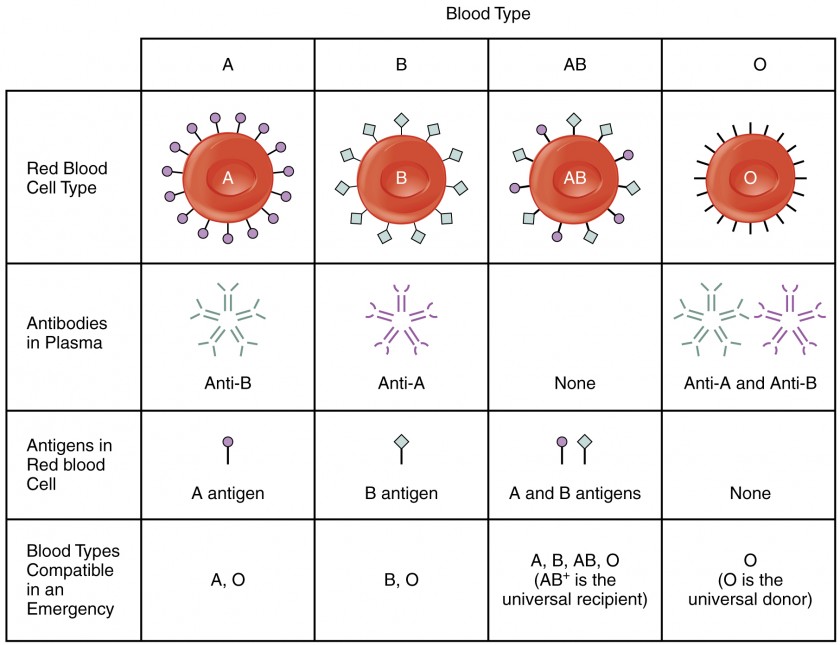
Humoral immunity - antibodies produced by B lymphocytes Cell-mediated immunity - activated T lymphocytes Lymphocytes originate as stem cells in the bone marrow. Antibodies attach to a specific antigen and make it easier for the immune cells to destroy the antigen. This term is commonly used in blood grouping. Therefore antigens on the surfaces of these red cells are often referred to as agglutinogens.
Resting mature yet naive B lymphocytes express IgM as a transmembrane antigen receptor that. These housekeeping functions occur without activation of an immune response. Agglutinins are proteins immunoglobulins and function as part of the immune mechanism of the bodyWhen the invading agents that bring about the production of agglutinins are bacteria the agglutinins produced. This occurs in biology in two main examples.
Any substance causing agglutination clumping together of cells particularly a specific antibody formed in the blood in response to the presence of an invading agent. 49k views Answered 2 years ago. Stacked red blood cells flow across drying slide Erythrocytes aggregate in a special way forming rouleaux. You may need to place the slide over a light box to observe the clumping of cells in the plasma.
Any substance causing agglutination clumping together of cells particularly a specific antibody formed in the blood in response to the presence of an invading agent. The cold agglutinin titer was positive at 1640 000 and was the M component noted above. Agglutination clumping of RBCs when antibodies attach to antigens and make the RBCs stick together TRANSFUSION REACTIONS antibodies from recipients plasma bind to donated RBCs agglutination clogs small arteries causes kidney failure AGING chronic leukemias anemias thromboembolytic diseases. Natural killer T cells and gamma-delta T cells are cytotoxic lymphocytes that straddle the interface of innate and adaptive immunity Dranoff 2004.
There are B and T type lymphocytes. Erythrocyte aggregation is the reversible clumping of red blood cells RBCs under low shear forces or at stasis. These mediators attract and modulate the effector cells of the innate immune system. Macrophages also have important non-immune functions such as recycling dead cells like red blood cells and clearing away cellular debris.
Platelets and blood clotting factors cause the change of the soluble protein fibrinogen to the insoluble protein fibrin at a wound site forming a plug. It consists of antibodies B cells and CD4 and CD8 T lymphocytes. Specifically haemagglutination is the clumping of red blood cells and this occurs when people are transfused with the wrong blood type. Dendritic cells move into areas where lymphocytes are concentrated such as the lymph nodes and spleen and trigger them to launch a specific immune response against those antigens.
T lymphocytes attack antigens directly and help control the immune response. The antibody binds numerous particles and joins them creating a large structure. The red cells were C3 Coombspositive and IgG Coombsnegative. This causes the cells to agglutinate or clump together which creates the lumpy look of a positive coagulase slide test.
Agglutination is when there is a clump of cells such as bacteria or red blood cells in the presence of an antibody. Formation of clumps which are large tightly packed groups of cells held together by fibrinogen has been demonstrated to be important for S. B cells are involved in the humoral immune response which targets pathogens loose in blood and lymph and B cells carry out this response by secreting antibodiesT cells are involved in the cell-mediated immune response which targets infected cells in the body. Two classes of responses.
Bound coagulase reacts with the fibrinogen in plasma causing the fibrinogen to precipitate. A diagnosis of cold agglutinin hemolytic anemia was made. The adaptive immune response is slower to develop but manifests as increased antigenic specificity and memory. Her team is establishing a link between infection thrombosis and changes in the bone marrow programming of immune cells and working on understanding the interplay between the immune system and thrombosis to help identify new non-blood thinning techniques for preventing and treating DVT in the future.
Upon activation monocytes and macrophages coordinate an immune response by notifying other immune cells of the problem. IgM immunoglobulins are produced by plasma cells as part of the bodys adaptive humoral immune response against a foreign pathogen. Lymphocytes are a type of white blood cell. The reaction between red cells and corresponding antibodies usually results in clumping agglutination of the red cells.
A potential new route to the diagnosis and treatment of ards comes from studying how neutrophilsthe white blood cells responsible. Agglutinins are proteins immunoglobulins and function as part of the immune mechanism of the bodyWhen the invading agents that bring about the production of agglutinins are bacteria the agglutinins produced. Aureus is unique in its ability to coagulate blood and it also produces multiple fibrinogen-binding proteins that facilitate clumping. The development and validation of procedures that prevent cell clumping and preserve cell function and surface marker expression levels are necessary to allow evaluation of immune function and phenotype in cryopreserved samples from clinical studies.
Some migrate to the Thymus. Lymphocytes are white blood cells responsible for the.

Agglutination In Hematology Definition Examples Study Com

Rosh Review Type A Type B Hematology Medicine

Animated Blood Types

Agglutination Biology Wikiwand

Agglutination Assays Microbiology

Posting Komentar untuk "clumping of blood cells from an immune response"